Beyond November: R4's Aaron Corria on men's mental health, success, and the courage to talk
R4 Advertising's Aaron Corria discusses men's mental health, workplace wellbeing, the pressures of success, and why conversations must continue beyond November.

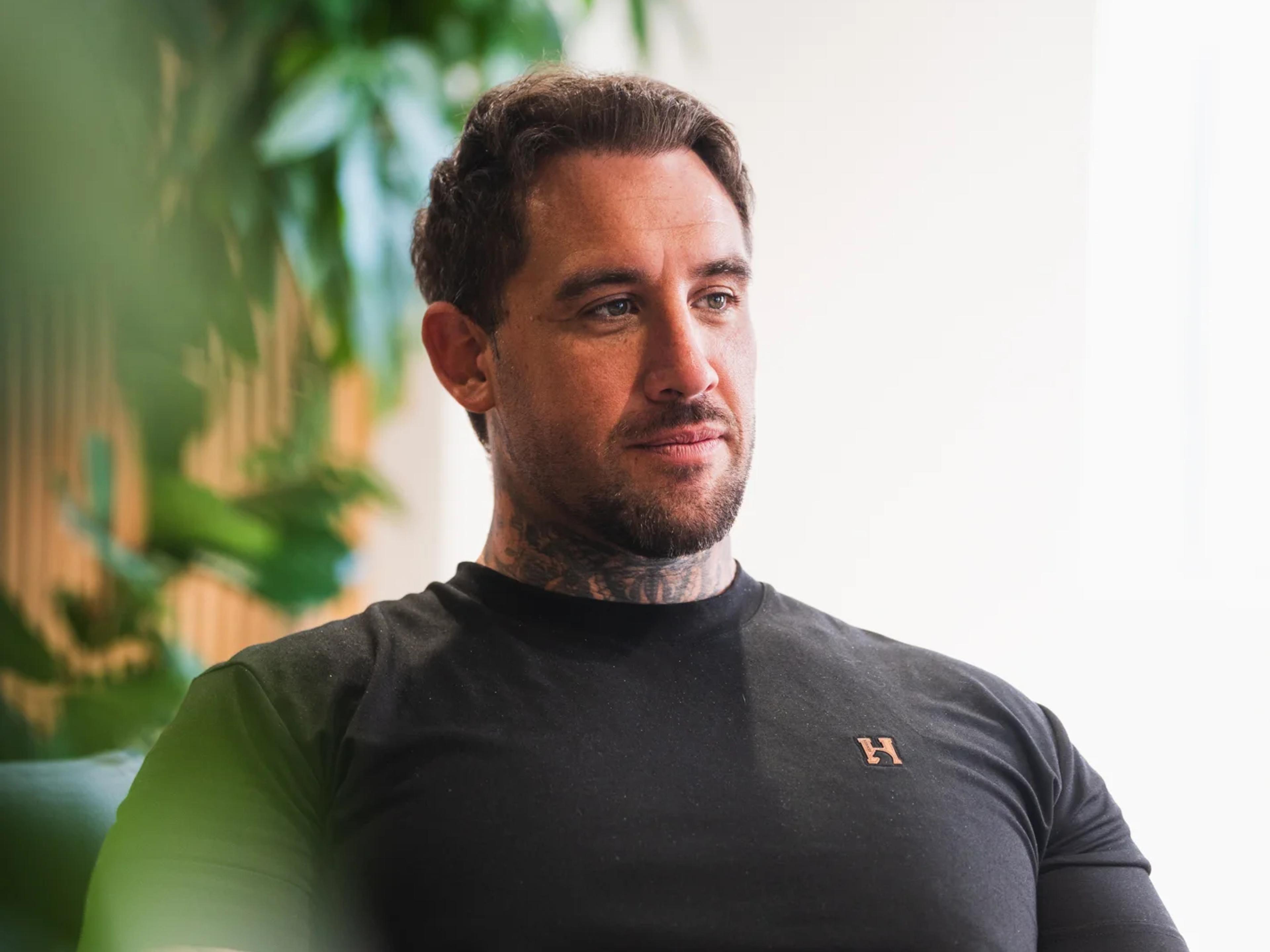
As Men's Mental Health Month puts the spotlight on wellbeing this November, R4 Advertising's Head of People & Growth, Aaron Corria, shares his thoughts on the pressures facing men, the importance of open conversations, and why supporting mental health should be an everyday priority.
For many men, the pressure to succeed, provide, and appear strong can make it difficult to admit when things aren't going well. From financial responsibilities and workplace expectations to the carefully curated lives we see on social media, those pressures can build, often without anyone noticing.
For Aaron Corria, Head of People & Growth at R4 Advertising, addressing these challenges starts with something deceptively simple: having a conversation.
"Men's mental health shouldn't be something we only talk about for a day or a month," says Aaron. "We need to create space for these conversations every day, whether that's at work, at home, or with friends."
Challenge expectations and redefine success
Aaron believes some of the biggest barriers to men opening up are rooted in long-established expectations around masculinity, particularly among millennials and older generations.
For many, being strong has traditionally meant being self-reliant, providing for others, and keeping personal struggles private. But these expectations can make asking for support feel like admitting failure.
The pressure is often compounded by comparisons with others, particularly online, where carefully selected images of success can distort our understanding of what a fulfilling life actually looks like.
It's something Aaron has experienced himself.
"For a long time, I'd built up this image of what success looked like. I thought it was the car, the watch, the big house. But I was wrong. Now, success is about joy, purpose, time, and self-development. It's about the legacy you leave, not the things you own."
He believes recognising that distinction can be an important step towards improving wellbeing.
"What you see online isn't the full story. It's curated at best, and completely fake at worst. Don't compare yourself to others. Focus on your own journey and your own wellbeing."
You don't need all the answers
While conversations around mental health have become more visible, Aaron believes many men still hesitate to speak openly because they fear being judged or appearing vulnerable.
And when someone does find the courage to open up, the instinct of those around them is often to offer solutions.
But listening, he argues, can be far more valuable.
"You don't have to be a doctor or a mental health professional. You don't need to solve someone's problems. Sometimes, all they need is the opportunity to talk, offload, and feel heard."
For someone carrying the weight of financial pressures, personal responsibilities, or unrealistic expectations, having that space can make a significant difference.
It's also why Aaron believes friends, families, colleagues, and employers all have a role to play in making honest conversations part of everyday life.
Building a workplace where wellbeing matters
As Head of People & Growth, Aaron sees employee wellbeing as an essential part of creating a healthy, supportive workplace.
For him, that responsibility extends beyond encouraging people to speak up. It means leaders demonstrating openness themselves, recognising when someone may need support, and introducing policies that help employees maintain fulfilling lives outside work.
At R4, the business is developing additional wellbeing initiatives alongside existing benefits, including gym memberships and massages.
Among the new initiatives is a proposed Making Memories policy, designed to give employees allocated time beyond their annual leave to spend with family and friends, celebrate important occasions, or enjoy experiences that matter to them.
"People shouldn't have to miss special moments or the things they love doing because of work," Aaron explains.
For Aaron, these initiatives reflect a simple principle: employers should take a proactive approach to supporting their people rather than waiting until someone is struggling.
"It's easy to get wrapped up in everything that's happening at work. Sometimes people just need your time. They need to know the door is open and that they'll be heard."
Who supports the people doing the supporting?
Aaron also raises an important question about leadership and the pressures that come with being responsible for others.
Managers, business owners, and senior leaders are often expected to have the answers, provide reassurance, and help their teams navigate challenges. But who provides that same support to them?
It's a question he believes deserves more attention, particularly as leaders balance their own responsibilities with the emotional demands of supporting colleagues.
Creating a supportive workplace, he argues, shouldn't mean placing the responsibility for everyone's wellbeing on one person. It should mean building a culture where everyone, regardless of their role or seniority, feels able to have honest conversations and seek support when they need it.
Make wellbeing an everyday priority
As November's awareness campaigns encourage more conversations around men's mental health, Aaron hopes the message extends well beyond the calendar.
He also believes that looking after our mental health involves making time for the activities, relationships, and experiences that bring us happiness.
Whether that's pursuing a passion project, going for a walk, spending time with family, or simply stepping away from the pressures of everyday life, he encourages people to recognise what matters to them and make more room for it.
"Everyone has their own journey and their own story. When we're supporting someone, one of the things we should be asking is what makes them happy, and how they can do more of it."
Ultimately, Aaron's message is one of openness, connection, and perspective.
"Have courageous conversations. You don't need to be an expert. It's about creating space to communicate and listen. It really can be that simple."
And while November provides an important opportunity to raise awareness, the responsibility to look after ourselves and each other is something we need to prioritise every day.